
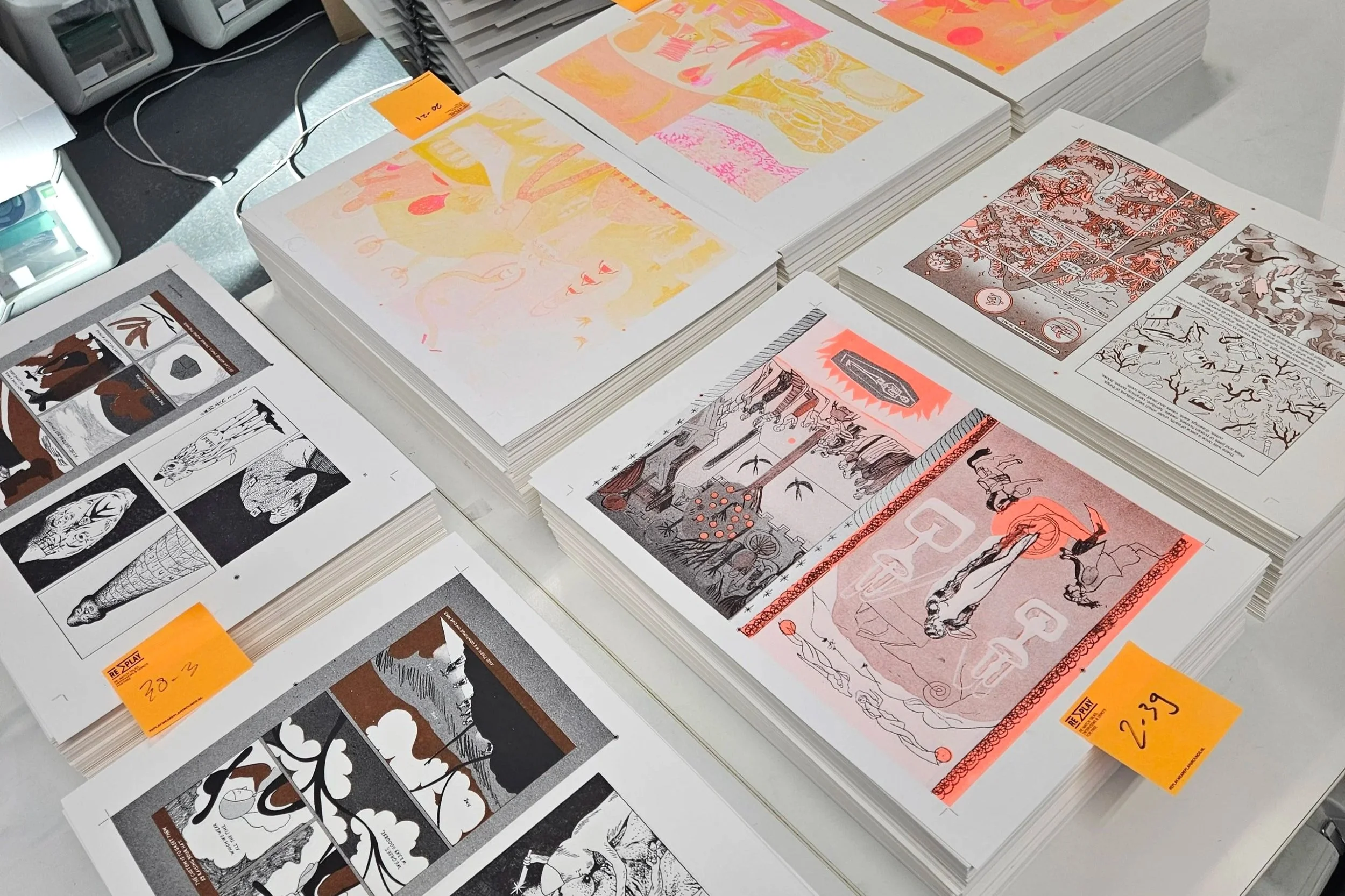
Wobby #42 - Lore Galore, co-curated by Mari Campistron (FR), is an issue about myths, folklore, rites, and personal tales, often rooted in the contributors’ homelands and childhood environments. Many of them were eager to share more about the tales that inspired their work, including some sketches.
Index
Giulia Maria Belli

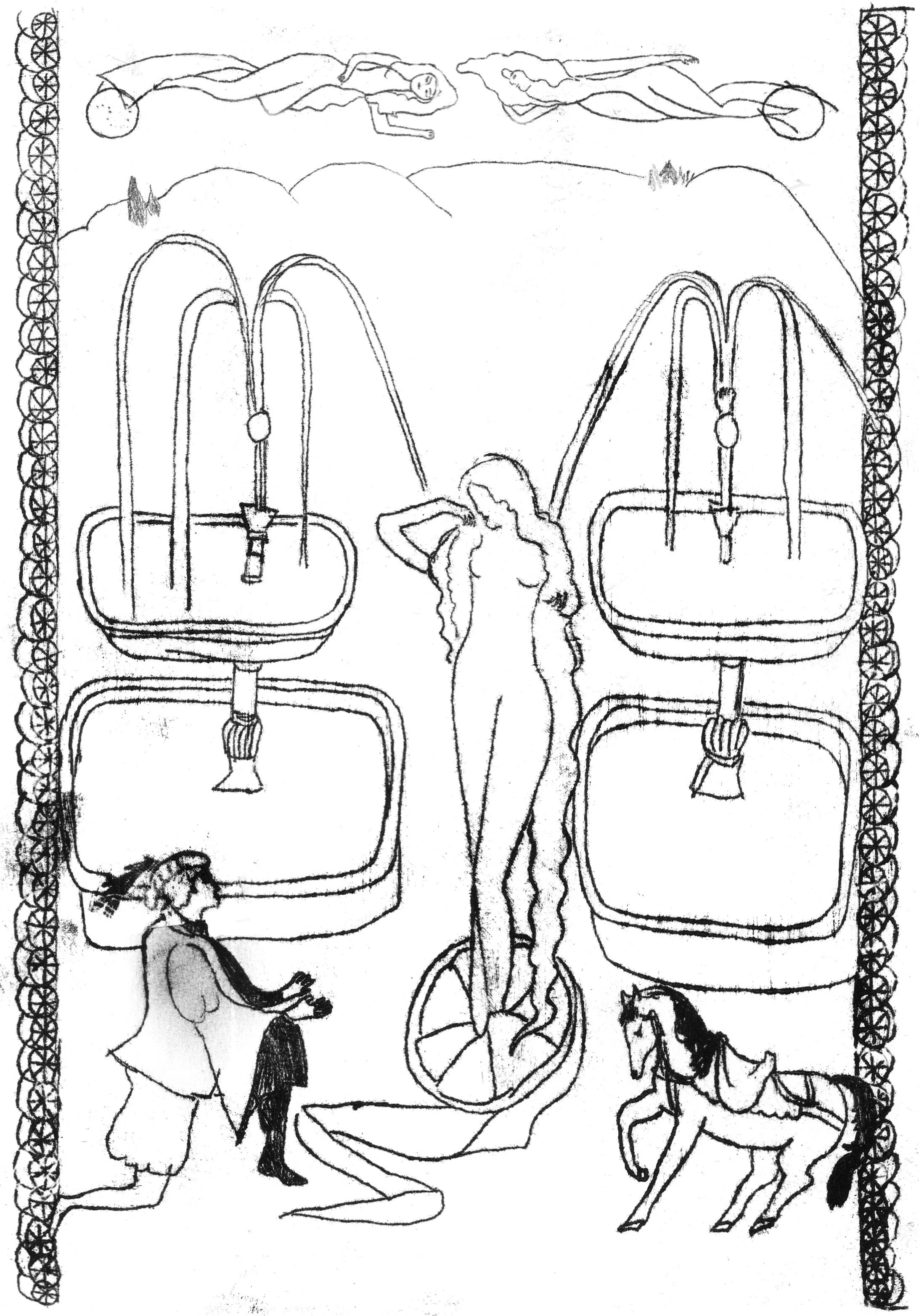
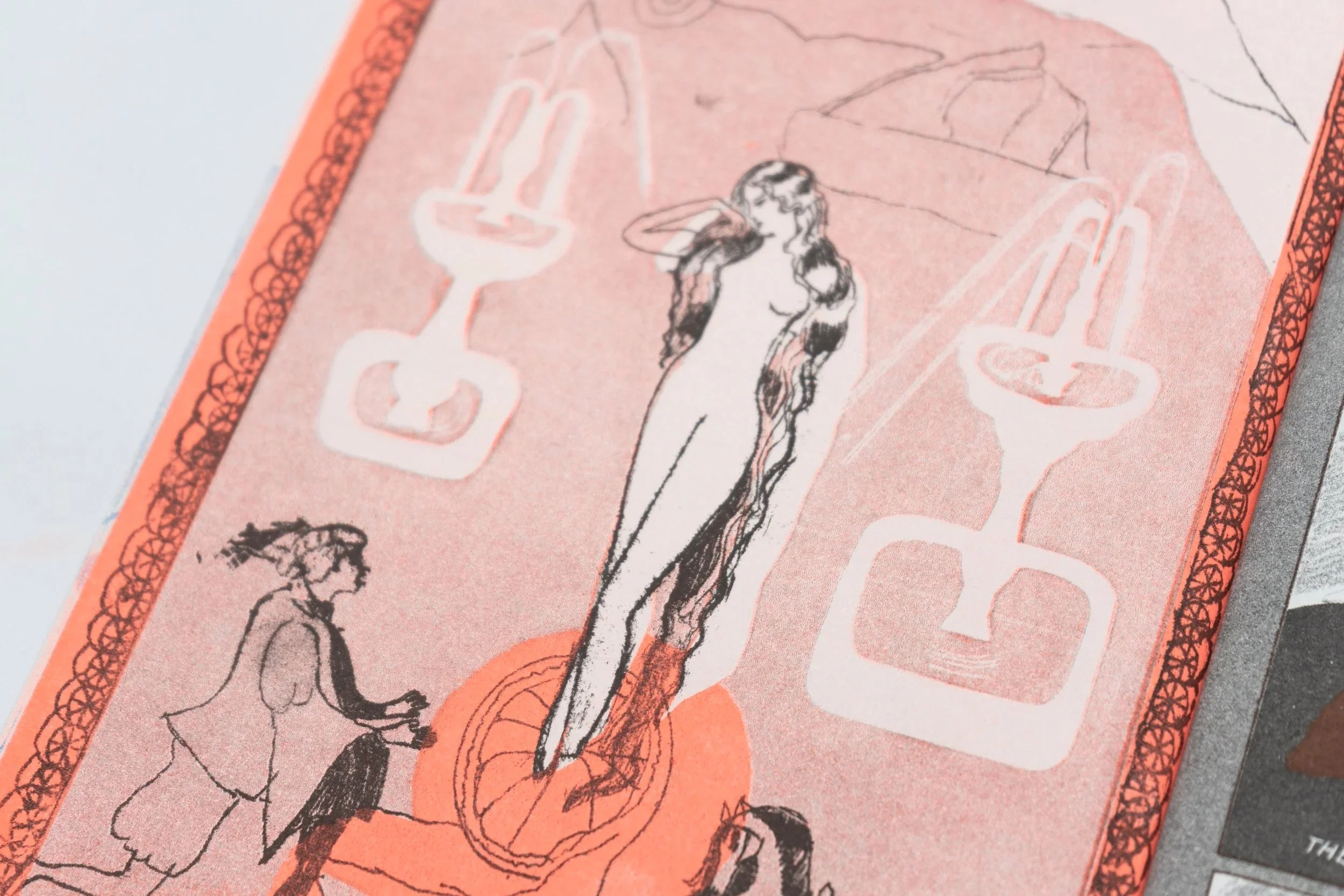
Italian painter and artist Giulia Maria Belli created a three-page story for Wobby #42. She explains that she chose the fairytale “La principessa nell’arancia” (The Princess in the Orange), a story from Friuli-Venezia Giulia, the region in northeastern Italy where she grew up.
“This fairytale appears in similar versions in Basile’s Lo cunto de li cunti and also in Calvino’s Fiabe italiane. I selected a regional variation that I found in Fiabe friulane, a book I found in my parents’ house.”
The tale follows a prince who longs to marry a girl as white as milk and as red as his blood. He sets out to find such a girl, and during his journey, he is given three oranges. When he opens them by a fountain, three girls emerge. The first and second perish of thirst; the third survives, and the prince immediately falls in love with her. Because she is naked, he hides her in an inn and goes out in search of clothes. The innkeeper’s envious servant kills the girl to take her place, but a drop of the princess’s blood transforms into a swallow. The prince marries the servant, but eventually uncovers her deception. After several transformations and challenges, the impostor is forced to choose her own punishment, and the two true lovers are reunited.
“Personally, I find far more than thematic or visual inspiration in fairytales. Beyond their entertainment value, the beauty of the imagery they evoke, and their role in cultural transmission, they serve as a genuine tool for introspective knowledge, one that can lead to profound revelations for those willing to receive them,” Giulia says.
“Fairy tales speak through symbols that remain meaningful as time passes. It is the ambivalence and power of these symbols that keep them relevant, even centuries later. Their language is potent: it speaks directly to the soul and nourishes it. Even if certain plots or situations may seem absurd or incredible, even if some characters feel impossible, I believe they reflect the truths of the world, of human nature and its many dynamics.”
Dom Campistron

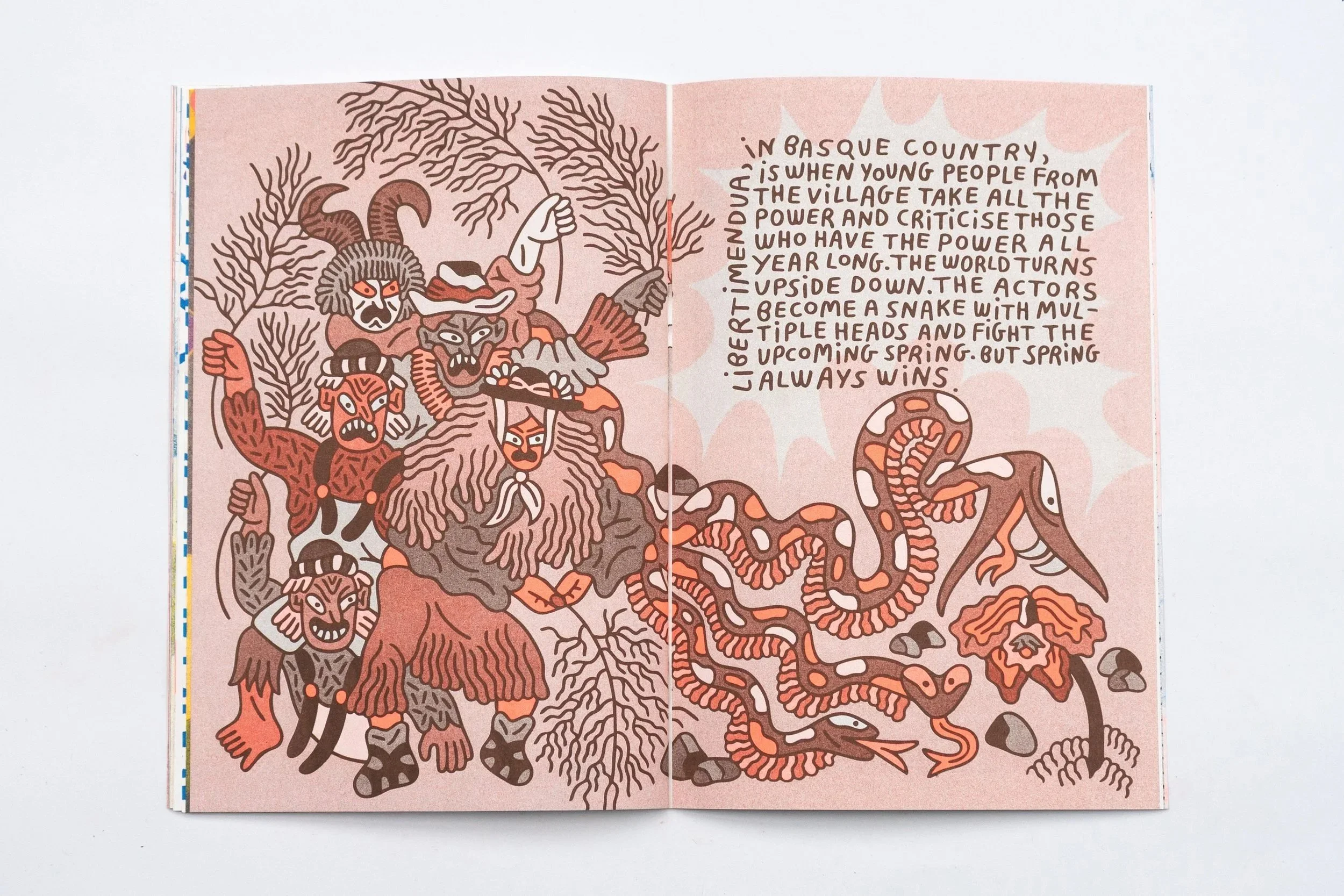
Dom Campistron is an illustrator from the Basque Country, living in the village of Aldude. She studied textile design in Paris before joining the Graphic Design department at the Glasgow School of Art in Scotland. She graduated from the illustration course in 2017.
Her work mainly focuses on LGBTQIA+ representation. Dom often collaborates with her sister, Mari Campistron, and artist Haran Ubel.
For her work in Wobby #42, she took inspiration from her memories of a traditional local ritual.
“In the Basque Country, at the end of winter, the young people of the village would perform a kind of theater performance called Libertimendua. This happens in many different villages. It’s essentially a form of catharsis: for one hour, the young people take all the power and criticize those who hold power throughout the year, in front of everyone. The world turns upside down. At the end, the actors perform a dance, striking the ground with branches; they form a multi-headed snake and attempt to fight the coming spring. It’s a battle between winter and spring, but in the end, spring always wins. Everything that needs to be criticized is voiced, and we can begin a new year clean. I think it's a very interesting tradition that balances power dynamics in a society, and also questions gender constructs and capitalism”
Yi Hu
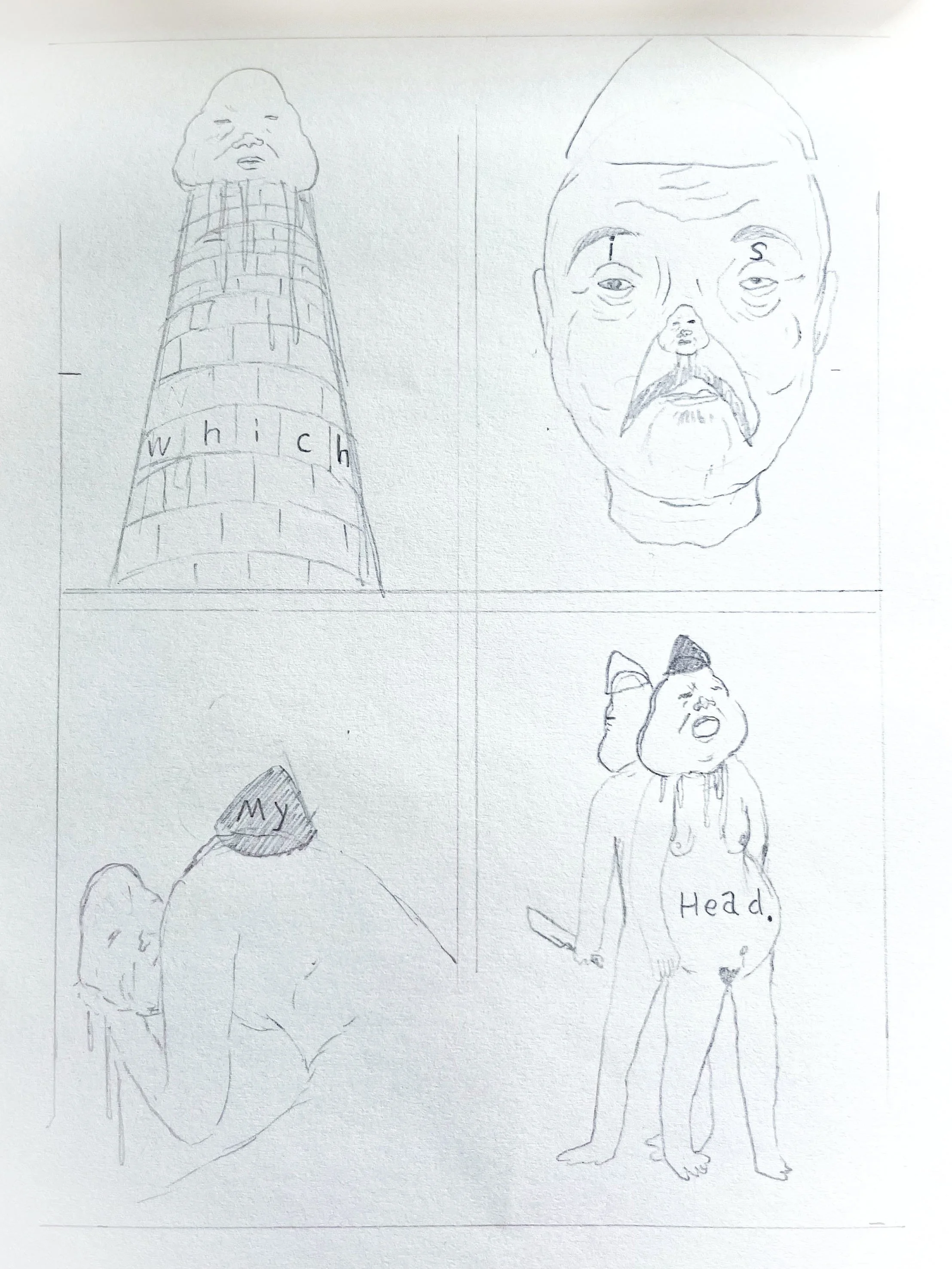
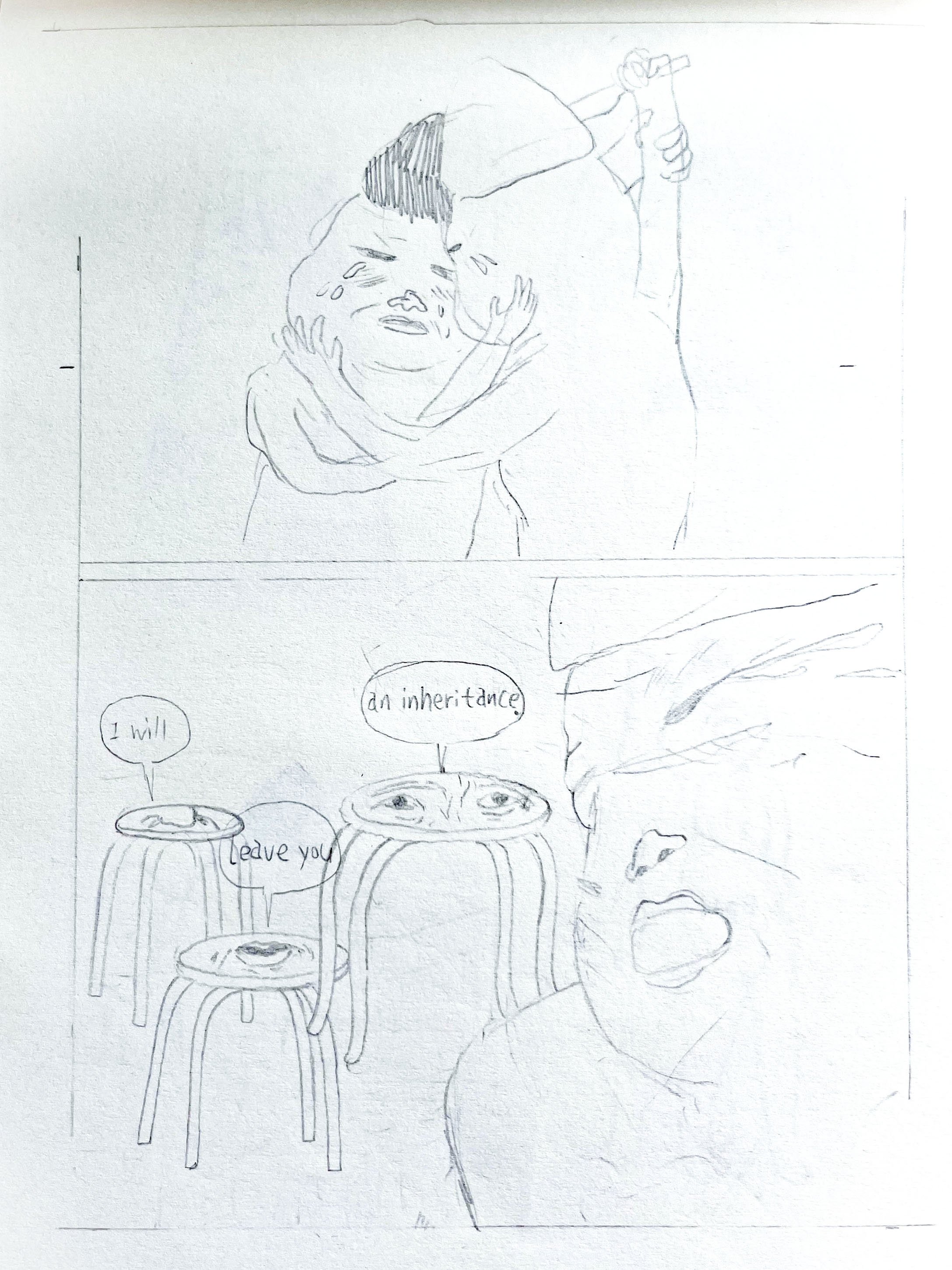
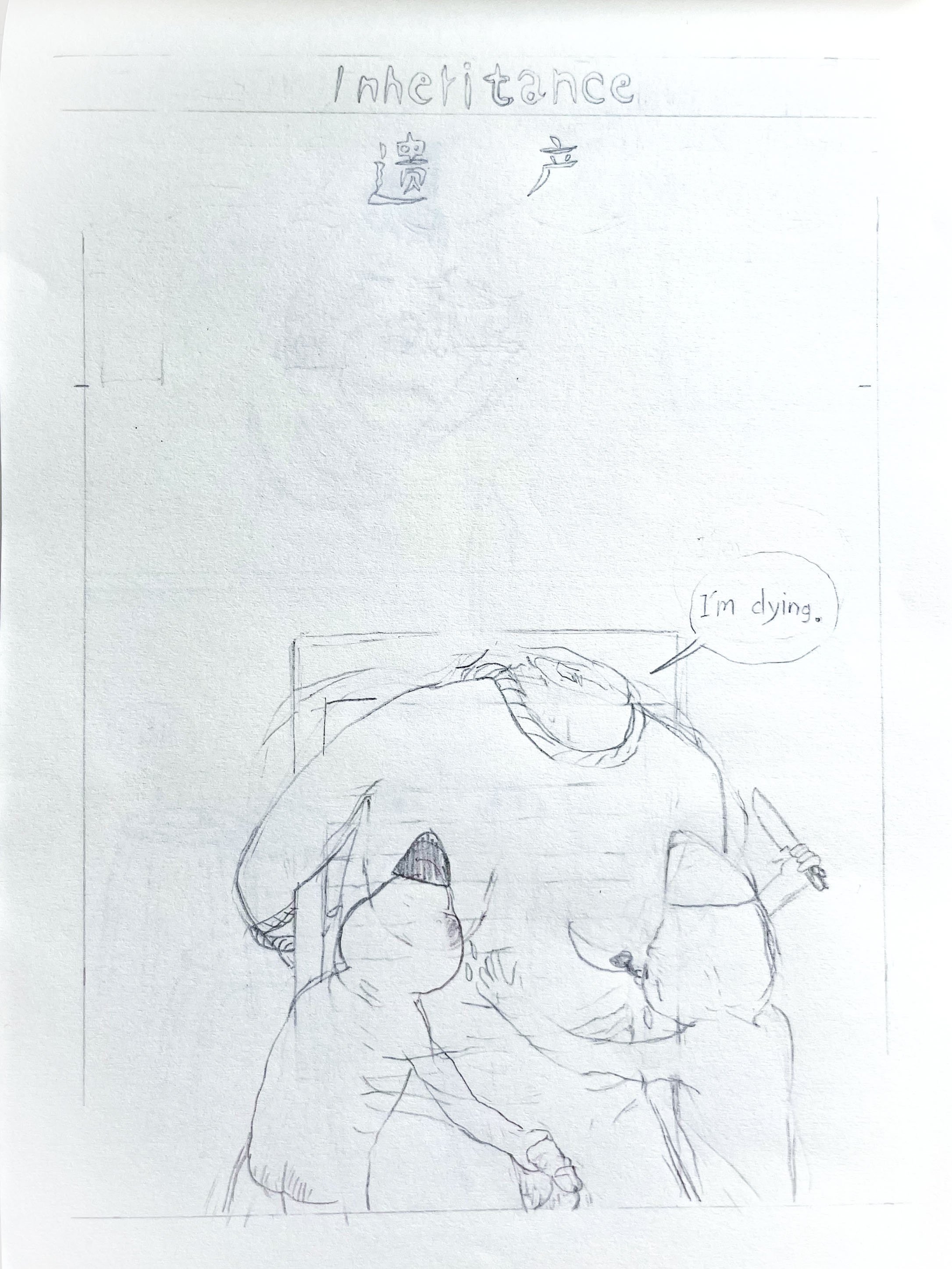
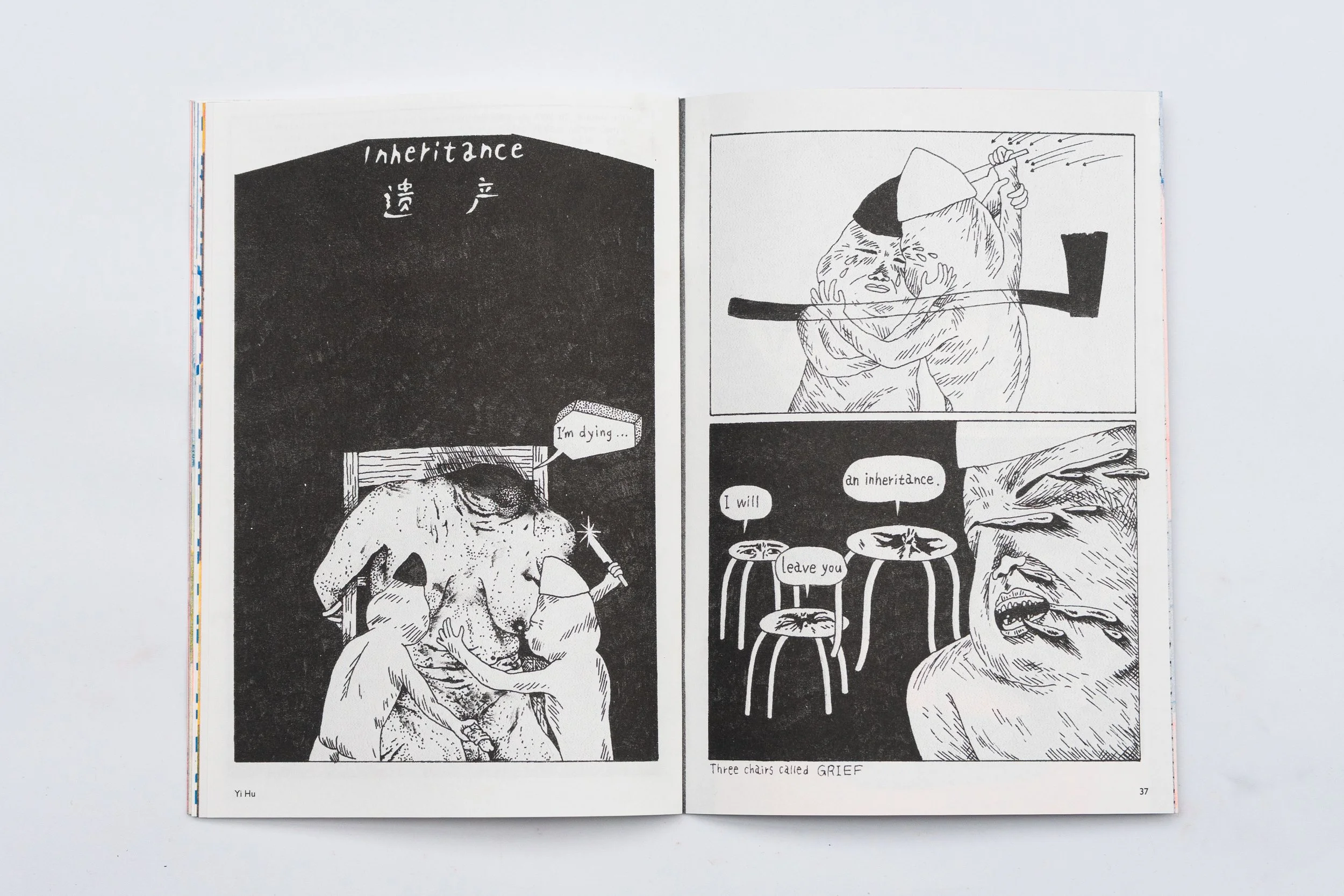
Yi Hu, a Chinese comic artist, contributed a three-page comic to Wobby #42. The comic is called Inheritance, and it delves into a fable that focuses on the faces of the deceased, emphasizing their symbolic significance in funerary practices and the passing down of family inheritance. In the story, the deceased figure is depicted with both breasts and a penis, blending male and female characteristics, and represents an ancestor.
Yi Hu explains, “In some parts of China, it is a tradition for children to wipe and care for the body of a deceased parent themselves. Often, this is the first time they see their parent completely naked, including the genitals. This ritual touches on themes such as substitution and infringement in family relationships. We can also imagine how profound this behavior is in terms of psychology and folklore.”
Hannah van der Weide

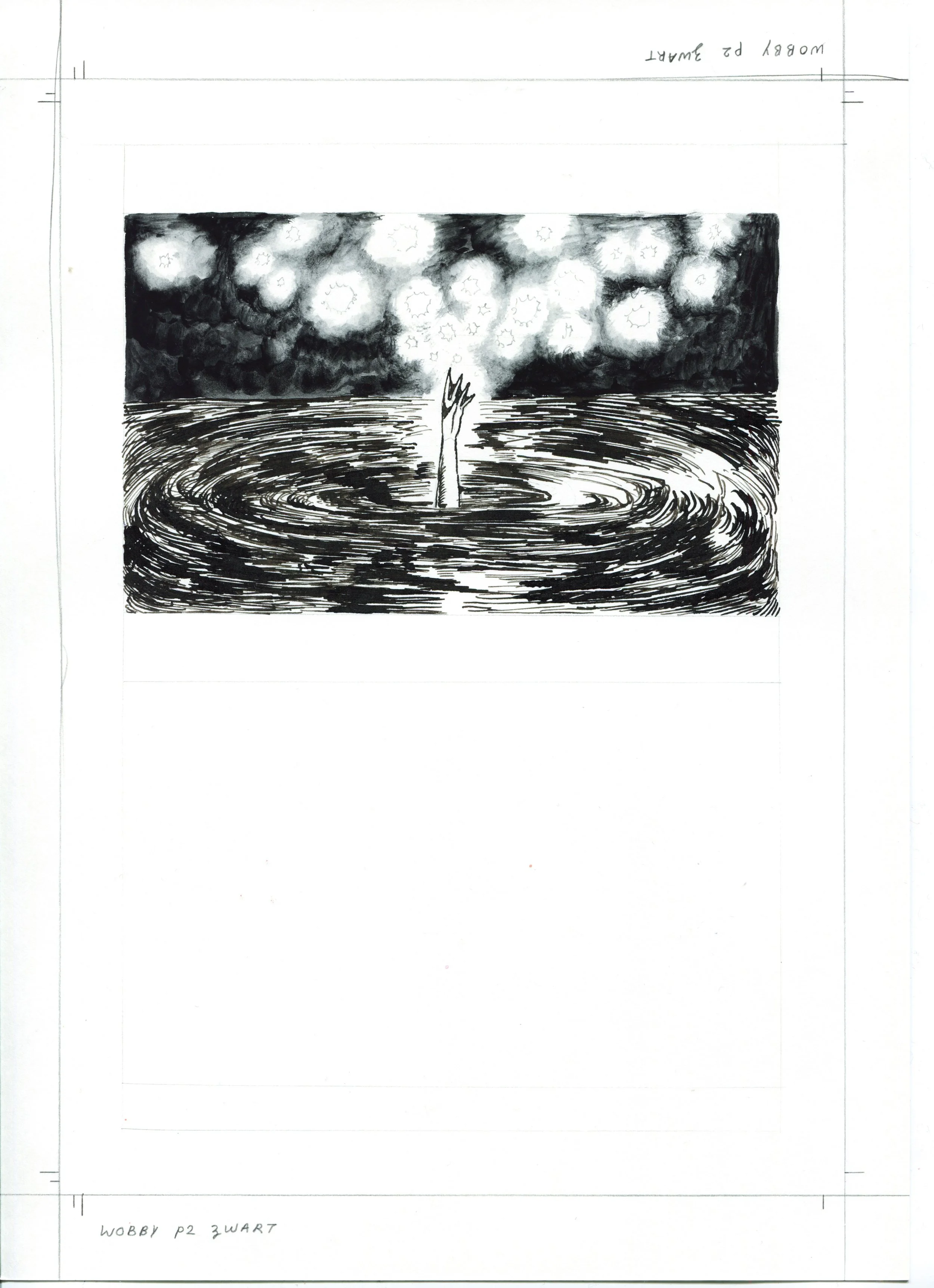
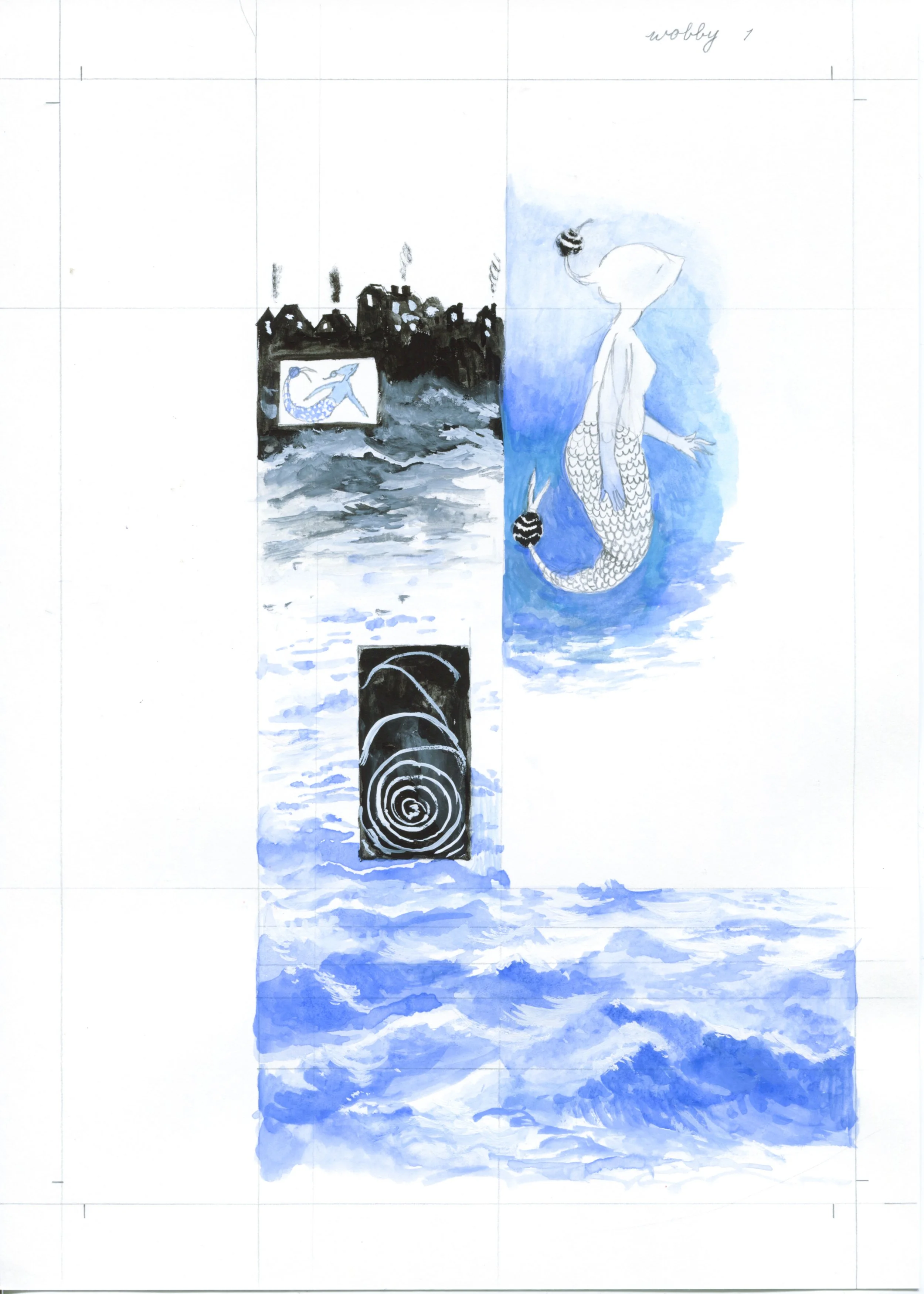
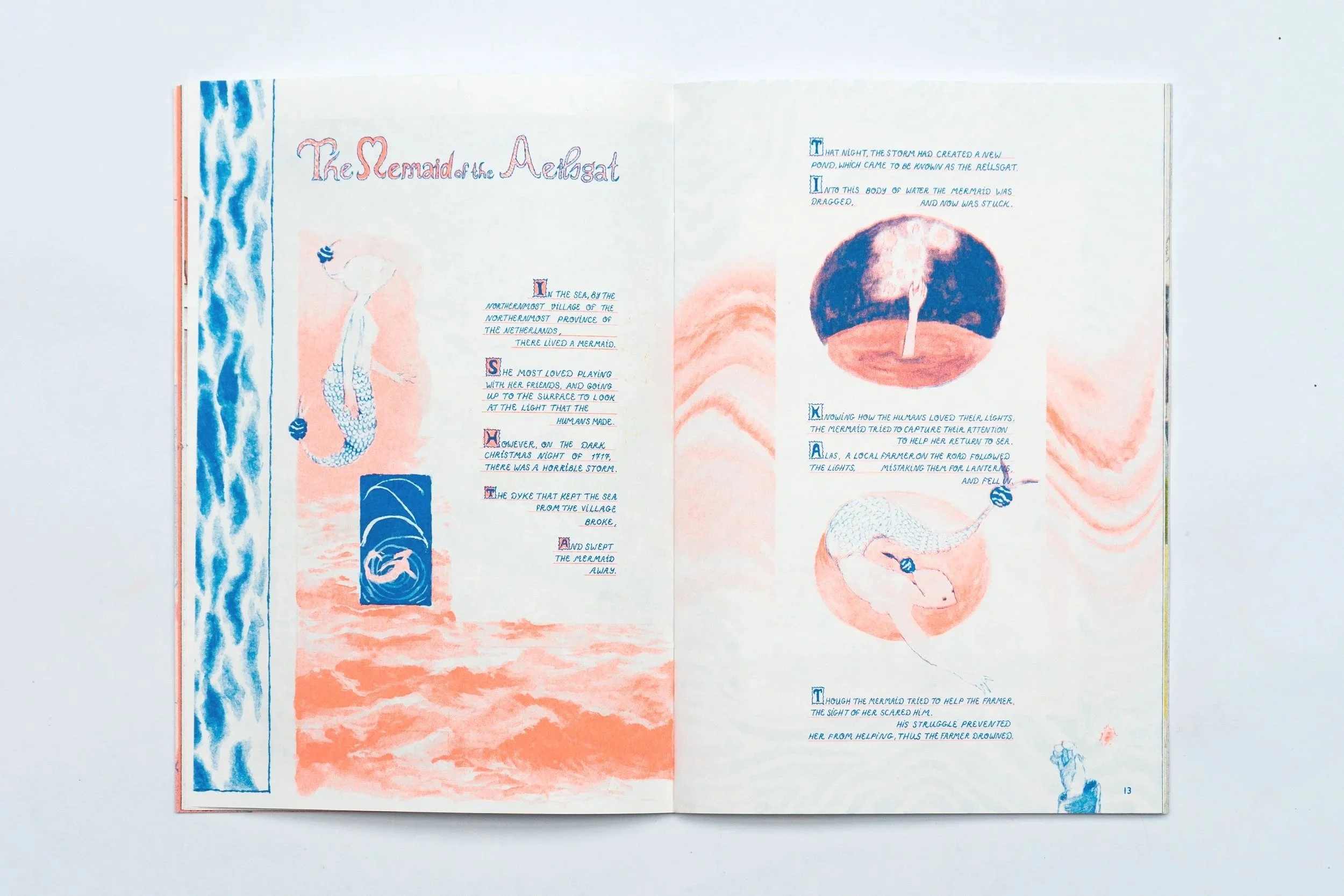
Dutch multimedia artist Hannah works primarily with analogue materials such as watercolour and pencil, often drawing inspiration from the natural world. For Wobby #42, she researched myths and folktales from the north of the Netherlands and was drawn to the story of ’t zeewiefke, the mermaid of ’t Aeilsgat.
The tale recounts the story of a mermaid who becomes trapped during the Christmas Flood of 1717, when a dike breach created a deep pool. Many versions of the story exist, but they share one striking element: a large number of men die, supposedly because the mermaid kills them out of malice. Hannah explains, “When you read the story as it is usually told, the mermaid is portrayed as a dangerous seductress. But when you look at it from her perspective, you can start to wonder why she might be dissatisfied, and whether she is being blamed unfairly.”
Her interest deepened when she came across an article by historian Sanne Meijer in the northern Dutch magazine Noorderbreedte. The article discusses several regional folktales, including the mermaid of ’t Aeilsgat, and examines the misogyny often woven into these narratives. The assumption that women are deceptive, threatening or at fault is a recurring thread in many traditional stories. Meijer’s suggestion to re-examine folktales from different perspectives became a key influence on her approach.
“I recognised a lot in Meijer’s analysis. The Netherlands is considered a progressive country, but women are still not always safe in public spaces. Victim blaming also hasn’t disappeared. That made it even more relevant for me to revisit this story and to step into the mermaid’s position.”
Begoña García-Alén
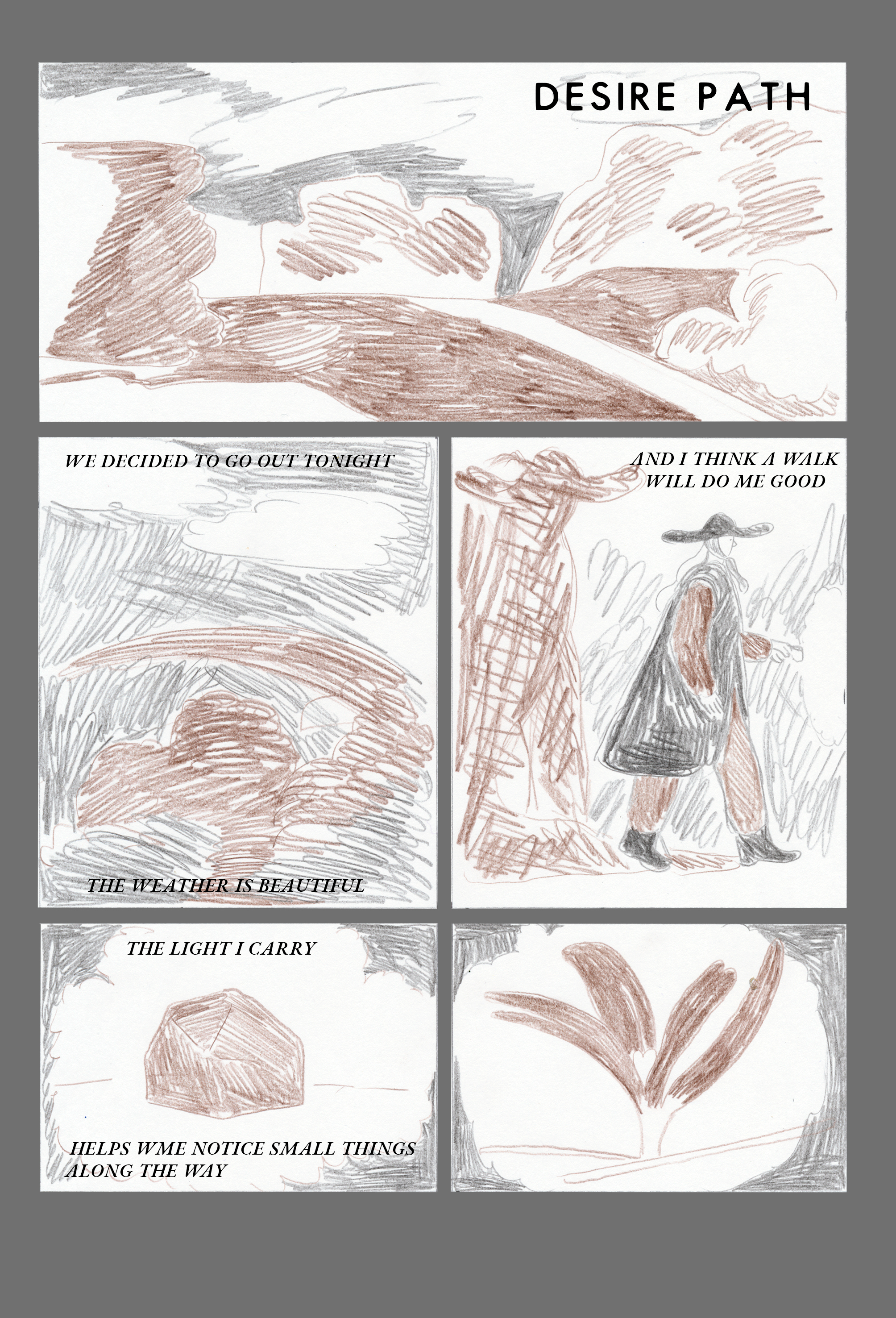
Spanish artist Begoña García-Alén is originally from Pontevedra in Galicia, the northwest of Spain. Her practice spans several disciplines, including drawing, comics, architecture, and design, and her work often emerges from the interplay between these fields.
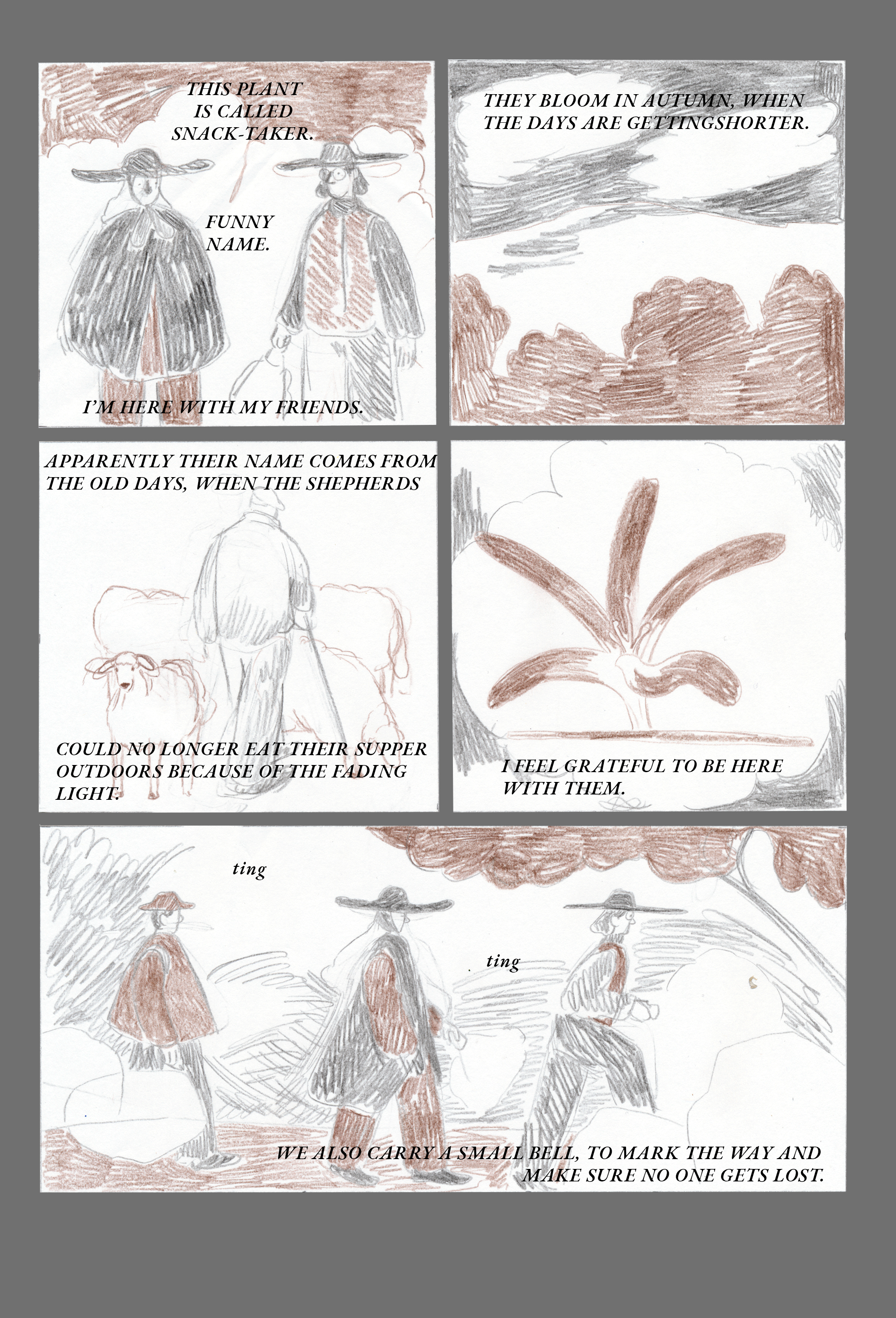
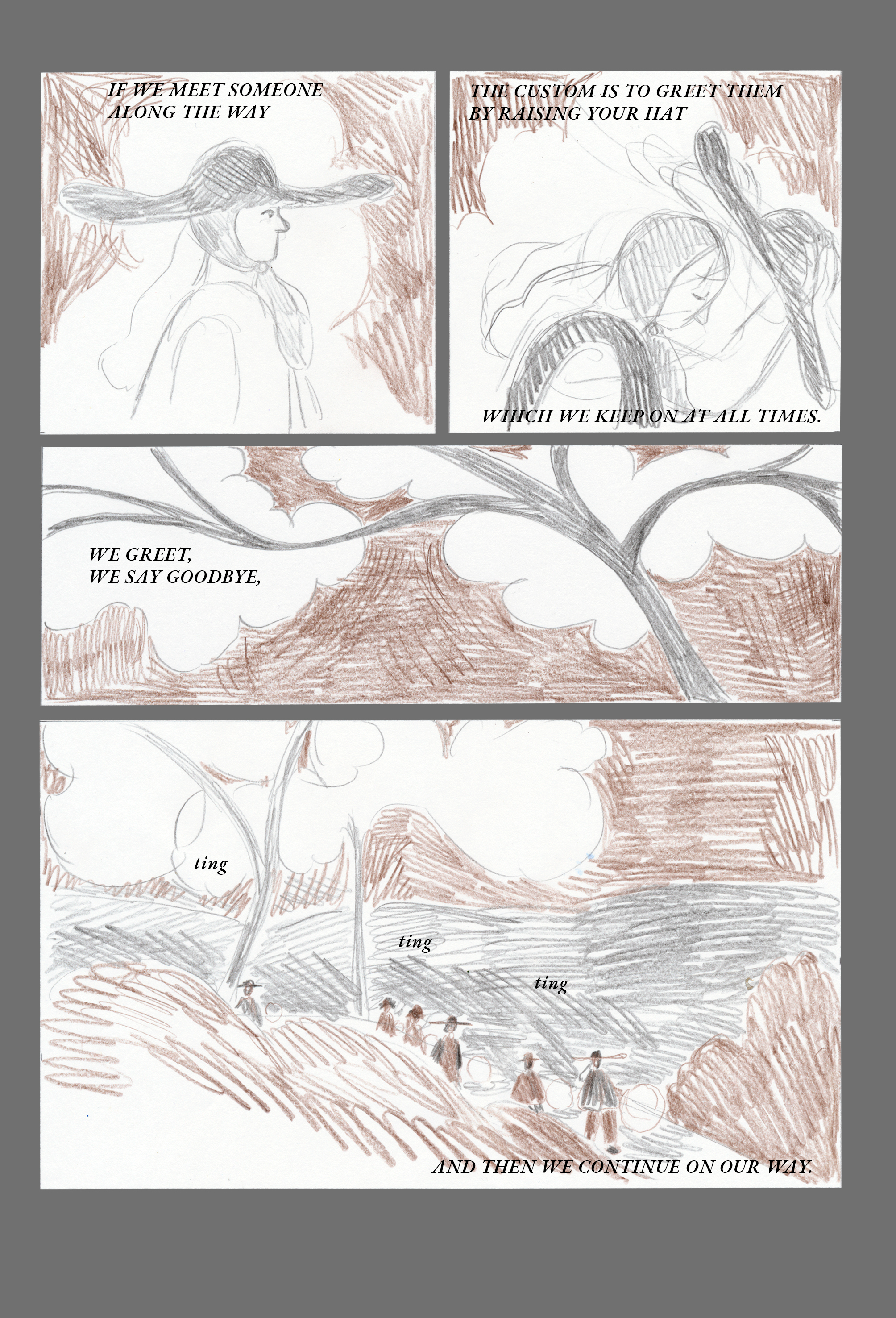
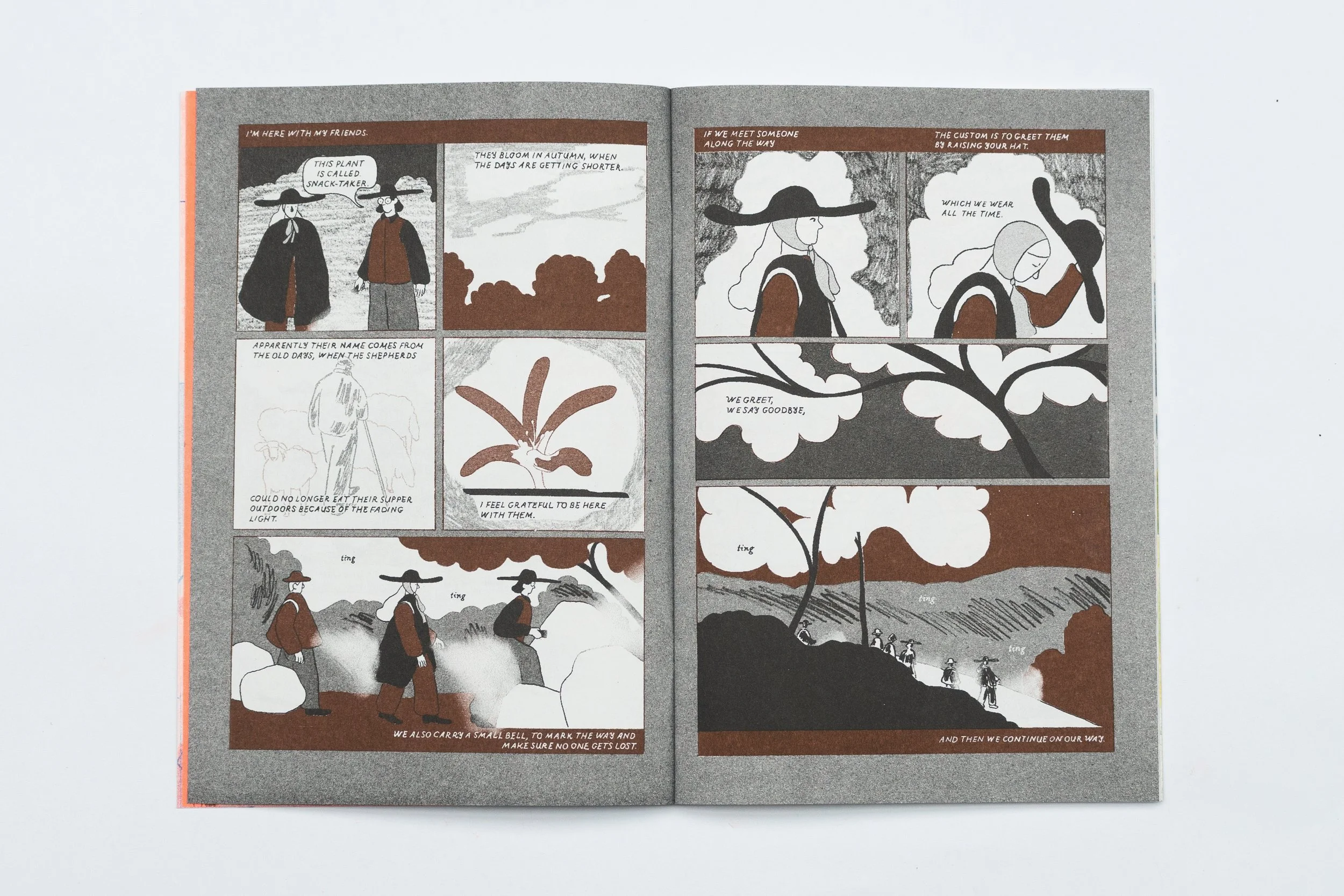
For Wobby #42, she created a three-page comic inspired by La Santa Compaña, a Galician legend about a nightly procession of wandering souls. The procession is led by a living person who carries a cross and a cauldron of holy water, someone who is condemned to guide the souls until they can pass the burden to another person or until they die. The ghosts carry candles that cannot be seen, but their presence can be recognised by the smell of wax.
“The inspiration for this comic came from a conversation with friends about nature, darkness, and the childhood memories we all had. When I was little, I lived in a house surrounded by nature. I remember the forest at night as something unsettling, while others saw it as peaceful. From there, I took inspiration from the myth of La Santa Compañaand transformed it, exploring nature and darkness as welcoming and tranquil rather than frightening.”
Margaux Bigou

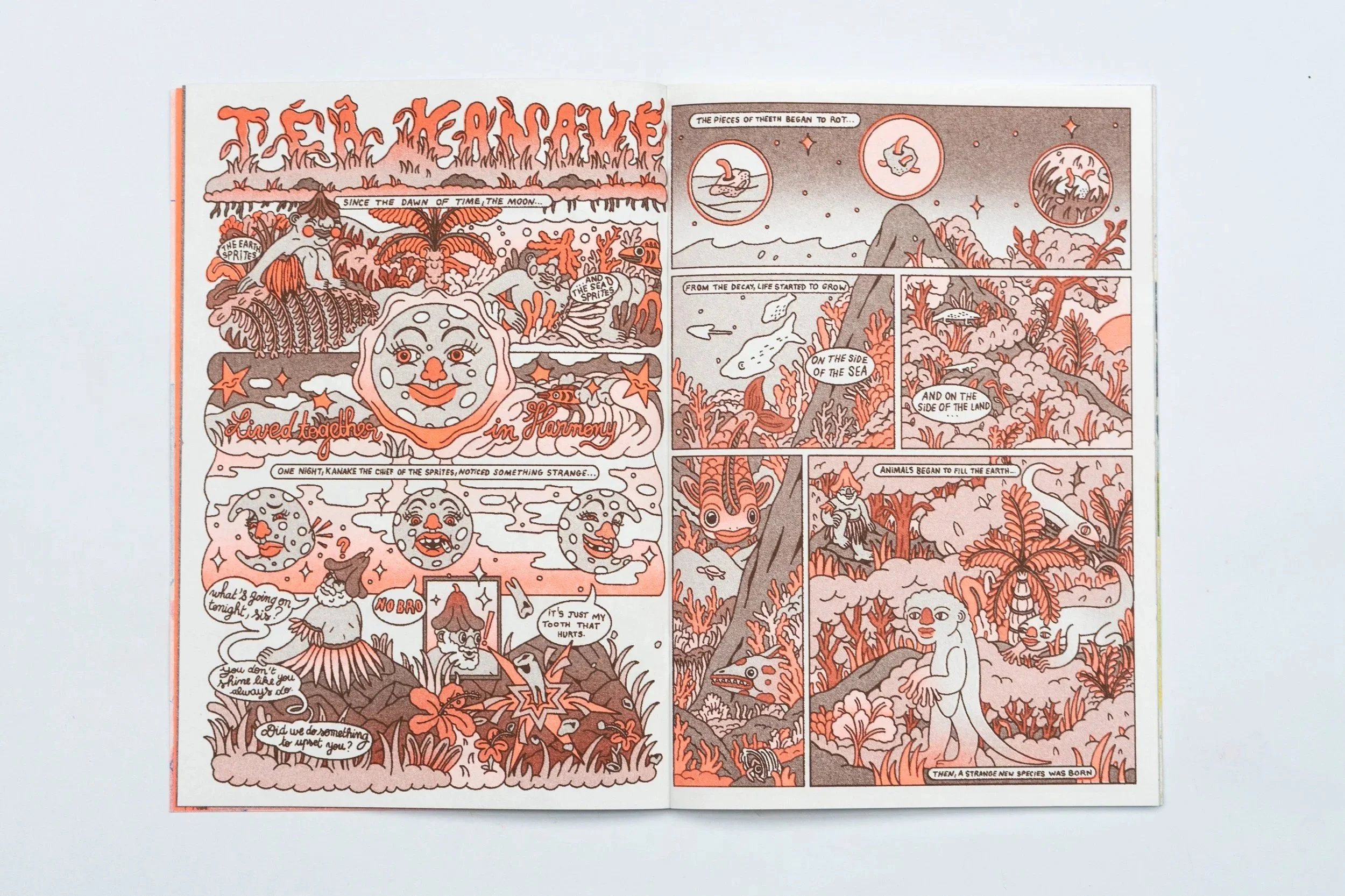
Margaux Bigou is an artist who often works with screen printing and riso printing. Born in New Caledonia, she has long been inspired by the island’s rich cultural heritage and her own island roots. For Wobby #42 she explored the legend of Téâ Kanaké, the mythical first man in Kanak culture. Téâ Kanaké represents the origin of the Kanak people and their deep connection to the land, and his story remains central to cultural revival on the island. His journey symbolizes Kanak identity, traditions, and a unified cultural path.
The myth begins with the sea, the sky, and the moon. According to the story, the moon drops a tooth that transforms into the first beings, eventually leading to Téâ Kanaké, the first-born. Emerging from the sea as the first man, he becomes a teacher and guide for the Kanak people, passing down knowledge about plants, rituals, and the history of the land. As a creation myth, it serves not only to explain the origins of the Kanak world but also to transmit cultural values and ways of understanding the natural environment.
Margaux explains, “As someone who is not Kanak but grew up on the island, I have always been inspired by this myth, and it has shaped my imagination. Reconnecting with these ancestral stories helps me stay close to the roots of my home.”